
By Braylen Calhoun
Falling is a serious health concern for older adults. According to the Center for Disease Control and Prevention, one in four older adults report falling each year, and it remains the top cause of injury in adults aged 65 and older.
The good news: falls are not inevitable. Although changes in strength, balance, vision and mobility are common as we age, you can take action to reduce your risk of injury. Healthy habits, regular checkups and guidance from trusted professionals can all support safer movement and greater confidence.
It all starts with understanding your health and the risks you are most likely to encounter as you age. To make fall prevention feel more practical, we asked Lia Poynor, Director of Therapy and Wellness for Goodwin Living Health, to answer common questions older adults and their loved ones often ask when they begin thinking about strength, balance, mobility and safety at home.
How Does My Health Affect My Risk of Falling?
Your health can affect your fall risk in several ways, from how well you see and move, to how medications or chronic conditions affect your balance, strength and energy levels. Naming these risks matters because it gives older adults and their loved ones a clearer place to start: noticing what has changed, bringing concerns to a healthcare professional and choosing practical steps that support safer movement.
Here are some helpful questions to consider:
- Changes in vision: Are you experiencing vision loss? Have you developed cataracts or double vision? Are you no longer able to see clearly?
- Changes in balance or coordination: Do you frequently lose balance or coordination? Do you find yourself tripping, or having to catch yourself?
- Loss of muscle strength or tissue: Are you struggling to complete your usual daily tasks? Do you have trouble getting up after laying or sitting down? Are you avoiding or fearing certain body movements or motions?
Physical therapy and occupational therapy can address many of these concerns by helping older adults build strength and teaching them safe ways to accomplish daily activities. “Goodwin Rehabilitation is one of our services that provides these therapies,” said Lia. “It helps many older adults living on our campuses and throughout Northern Virginia who are at risk of falls or recovering from a fall.”
What Can I Do to Reduce My Risk of Falling in the Future?
You can add these healthy habits to your schedule to help reduce your risk of falling:
- Health checkups: Getting regular physical and vision examinations can forewarn you of health problems that haven’t been noticed yet.
- Check your medicine: Speak with your health provider about the potential side effects of the medications you take, and ask about how they may interact with your body or your other prescriptions. This can provide you with valuable information that may help you prevent falls.
- Exercise: Engaging with regular exercise or fitness programs can help you strengthen or retain muscle and mobility, decreasing your likelihood of falling.
Falls prevention isn’t just about watching your steps while you walk; it’s a constant evaluation of your mobility and what changes you can make to improve your quality of life.
“Having the self-awareness to notice if something is getting more difficult is key,” said Lia. “You don’t need to wait until an injury or fall happens to reach out to a therapy provider for an evaluation of your strength and balance.”
“Treat it like a dentist appointment,” Lia recommended. “Every six months to a year, you should be coming in for a checkup.”
How Can I Prevent Falls in My Home?
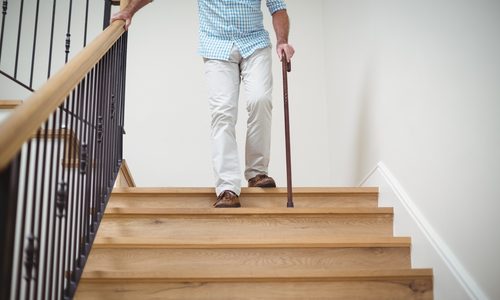
Many fall prevention steps happen at home, where everyday routines, lighting, furniture placement and walking paths can either support safer movement or create hazards. Start by looking for simple changes that make it easier to move through each room with stability and confidence:
- Handrails: Having handrails on both sides of stairways, hallways and even in the bathroom is one of the best ways to maintain stability within your home.
- Proper Lighting: Ensuring that all lighting features in your home are working and providing good light is critical to preventing falls. Installing night lights that automatically come on are also useful if you move around during the nighttime hours.
- Anti-Slip Rugs: If you have rugs in your home, make sure they have anti-slip backing on them. Small area rugs or throw rugs tend to be slippery on the floor and can pose a risk for falling.
- Item Placement: Commonly used items in your household should be placed in easy to reach areas to prevent unnecessary strain on the body and reduce the risk of falling.
- Rearrange Furniture: Moving furniture so that they do not pose as a falling hazard or impede your movement drastically reduces your chances of injury.
How Can Goodwin Living Health Help Older Adults Prevent Falls?
Goodwin Living Health specializes in supporting older adults through rehabilitation, home health and other services that can help build strength, improve mobility and promote safer movement. Depending on your needs, that support may include therapy after an injury, help transitioning home after a hospitalization or guidance on making daily routines safer. Here is a brief summary of services that may be helpful for someone who wants support to prevent falls:
- Goodwin Rehabilitation offers outpatient physical and occupational therapy to help people manage chronic conditions, recover from an injury or health event, or improve strength and mobility to help prevent injury.
- Goodwin Home Heath can help someone who’s just transitioned home from the hospital and is unable to leave their home for rehabilitative therapy. Goodwin Home Health offers many services such as skilled nursing, physical therapy, occupational therapy and personal care assistance.
- Goodwin Living At Home offers members a complimentary home safety assessment. Members also benefit from access to experienced care coordinators, who can help find and arrange needed care services, or support the transition to home after a hospitalization.
Frequently Asked Questions
Fall prevention can feel like a big topic, especially when you are trying to understand what is normal, what is concerning and what to do next. These quick answers address a few common follow-up questions older adults and loved ones may have:
- Why do I keep falling? Falling can be caused by a multitude of reasons, such as loss of muscle strength, changes in vision, changes in balance or chronic ailments. If you’re experiencing multiple falls, it’s important to get evaluated by a medical professional to help identify the root causes.
- Is falling a “normal” sign of aging? No. If you find yourself frequently stumbling, struggling to find balance or falling, these are signs that you should be evaluated by a healthcare professional. Falling may be more common among older adults, but it is never “normal.”
- Are there exercises I can do to prevent falling? Yes! Simple strength and balance exercises, such as sit-to-stand movements from a sturdy chair, can help support mobility and lower-body strength. Depending on your health and fitness level, activities such as yoga, walking or light workouts may also help. Talk with a healthcare professional or therapist about which exercises are safe and appropriate for you.
- What should I do after a fall? Get evaluated by a healthcare professional as soon as possible. Even if there is no pain after an accident, injuries that may go unnoticed for long periods of time can eventually pose a threat to your health.
- Who is at risk for falling? Anyone can experience a fall, and it’s not just older adults who can be severely injured in a fall. That said, as we age, it does become more and more likely that even a “minor” fall could have a serious impact on our health.
- If I’m falling frequently, does that mean I need to be in a nursing home? Not necessarily. There are many forms of support that may be available to you in your own home. It is important to be evaluated by your doctor whenever you have a fall, and especially if you are falling more frequently.
Take the Next Step
Falls may be common among older adults, but they are not something you have to accept as inevitable. By paying attention to changes in strength, balance, vision, medication side effects and home safety, you can take practical steps to reduce your risk of falling and feel more confident in your daily routines.
Goodwin Living is here to help older adults and their families find the right support for what comes next, whether that includes home health, rehabilitation, brain health services, support at home or a transition to a senior living campus. Learn more about what we offer and contact us here!
______________
Braylen Calhoun is a summer 2026 intern with the Marketing and Communications team. He is currently studying business administration with a concentration in marketing at Morehouse College.