by Timaeus Reed
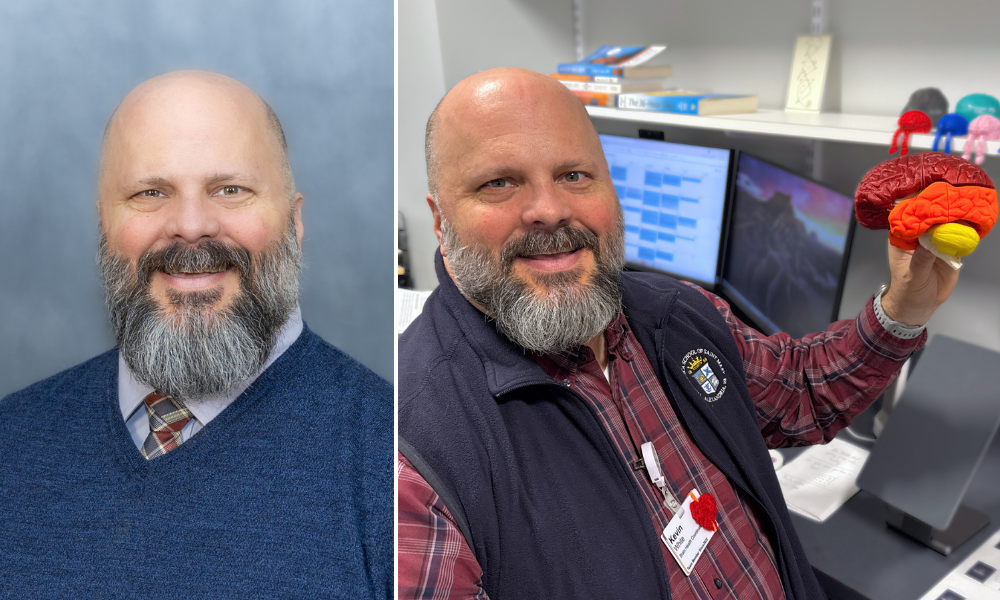
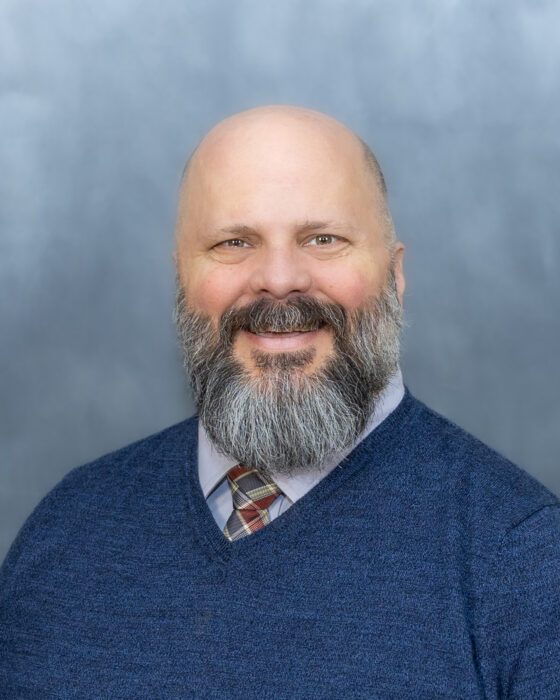
At Goodwin Living, we believe healthy aging extends beyond physical wellness. It’s about keeping the mind active, curious and engaged. That’s why we’re thrilled to welcome Dr. Kevin White as our new Brain Health Coordinator to our Goodwin Brain Health team.
Kevin holds a Ph.D. in Science Education from the Illinois Institute of Technology and a B.S. in Psychology. With over 28 years of experience, he has taught and developed STEM programs for diverse learners in the U.S. and internationally, including South Korea. Kevin specializes in brain-based education and community programming and is known for making science and technology accessible to adult learners, including leading hands-on 3D printing workshops for older adults.
Through research-backed programs like StrongerMemory, which is funded by generous donors to the Goodwin Living Foundation, Kevin will support initiatives that strengthen memory, improve focus and promote lifelong learning.
In this Q&A, Kevin shares what excites him about joining Goodwin Living and offers insights into brain health and the small steps we can take that make a big difference for those who live with mild cognitive decline.
Q&A with Dr. Kevin White
What led you to focus your work on brain health and lifelong learning for older adults?
I am excited to share the good news about brain health, especially as discoveries are made every day. Recent research shows that brain development is not linear. We’ve identified distinct brain phases that give us reason to believe the brain can be optimized throughout life.
In my 28-year career, I’ve worked with individuals at nearly every stage of life. I am eager to replace unproductive beliefs with accurate ones: you can grow new brain cells at any age, dementia is not inevitable, and there are many things we can do now to age with an optimized brain for healthier, happier living.
How do you define brain health?
I would agree with some definitions you can find online that describe brain health as “a holistic state of optimal brain function” across cognition, motor skills, and emotional and sensory experiences. Emily Dickinson once said, “The brain is wider than the sky…[and] deeper than the sea.” As science advances, our definition of optimal brain health will expand, just as athletic performance has improved over the last century thanks to research and innovation. A 1924 Olympic marathon runner completed the race in two and a half to three hours. Today, the best marathon runners are seconds away from being under two hours. Of course, there are technological advances in the equipment, but that half-hour gain is thought to be primarily due to scientific advances that inform optimal training regimens.
Why do you emphasize hands-on learning in your programs?
There is a large body of research showing that engaging in playful, hands-on learning results in meaningful, sustained understanding that can last for weeks, months, and years. Activating more parts of the brain leads to greater brain growth and optimization required by new tasks and experiences. It’s also a lot more fun.
A range of learning outcomes supplements active, playful learning. The research I mentioned indicates a dynamic range of skills that children need to learn. This includes both constrained procedural knowledge that can be directly taught and mastered (e.g., identifying the six pillars of brain health) and unconstrained skills that continuously develop over the lifespan (e.g., putting those six pillars into action daily).
How do you help people feel comfortable with unfamiliar ideas or technologies related to brain health?
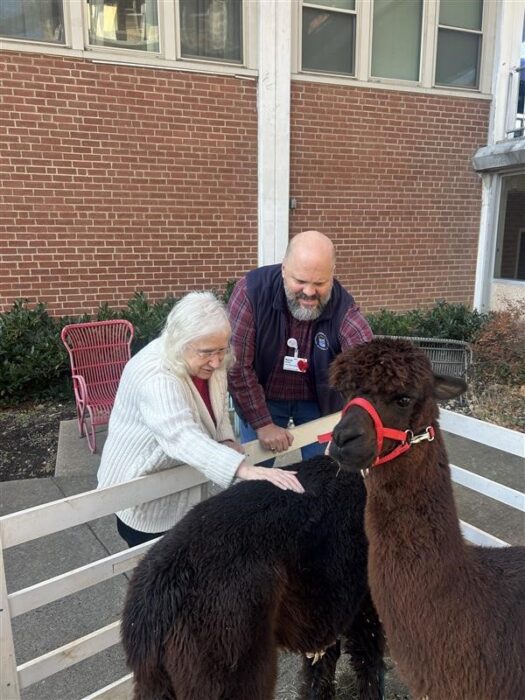
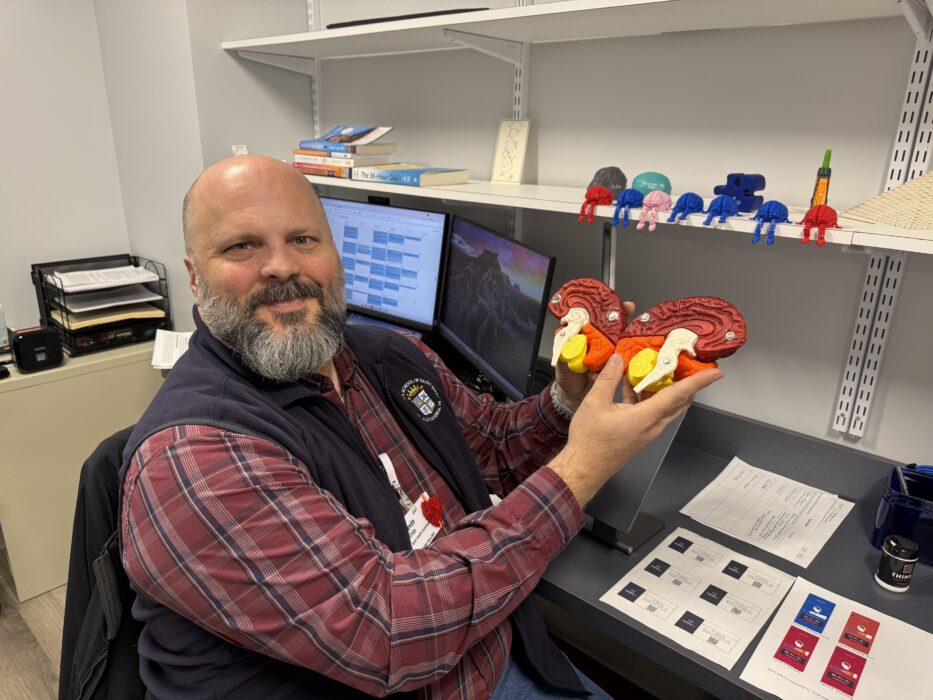
Wow! What a great question. This is a critical one. First, I focus on relevance and benefit, using simple analogies to create an environment where mistakes are expected and okay. I built a social aspect into the learning experience, which others, like the former Surgeon General Vivek Murthy, have called vitamin-connect. I schedule hands-on support sessions, so the person has time to play with technology and build confidence and skills while working with friends. We must engage with one another so we can learn and truly connect through shared life experiences. Over the last 10 years, I’ve taught 3D printing to both young and old, and I’ve found these strategies work well. I would have students design and print parts of a single machine, where each part depended on the others’ designs and prints. Think of cogs in a machine where the teeth of the individual cogs should mesh together as one. This encouraged students to collaborate and communicate during the process so that the one machine worked engineered by multiple people: I had my son and daughter help me build a full-scale brain recently, which another designed but required many connected pieces that needed to be printed similarly. We each used different types of materials, scaled to an agreed-upon quantity, and sanded and glued parts to fit. If one of us deviated from the plan, it would be obvious when the pieces didn’t fit together.
Why do creativity and problem-solving matter for cognitive well-being?
The prefrontal cortex and cerebellum focus, in part, on problem-solving and creativity. People should be presented with tasks that challenge the brain in new ways, give us a sense of accomplishment, reduce stress, improve mental health and even delay age-related cognitive decline.
What excites you most about your role at Goodwin Living?
I’m most looking forward to seeing the satisfaction in the faces of older adults as they see progress in their own journey towards an optimized brain. I also love the excitement that comes when they try something new and have fun with it, come up with new ways to use it, or find a benefit from it.
What is one habit you encourage to support brain health?
Take small steps that yield significant results. Programs like StrongerMemory are a great start. Just 20 to 30 minutes a day of reading aloud, writing by hand and doing simple math can strengthen memory and focus. I would also suggest coupling this with a discussion with friends and family so they can join in these activities and help keep the individual engaged and faithful in maintaining good brain health practices.
Learn More About Goodwin Brain Health and StrongerMemory
We’re excited to have Kevin on the Goodwin Living team as we continue to expand our commitment to brain health and cognitive wellness. His expertise will help us grow programs that address mild cognitive decline, support dementia prevention, and make lifelong learning a cornerstone of vibrant senior living. Through the support of generous donors to the Goodwin Living Foundation, which funds Goodwin Brain Health, we’re able to grow and advance evidence-based programs like StrongerMemory and create opportunities for older adults to stay sharp, socially connected and confident in every stage of life.
As we build on this momentum, we invite you to learn more about our senior living and healthcare services at Goodwin Living. Discover Goodwin Brain Health, our dedicated service line for cognitive wellness, and explore StrongerMemory, a proven program designed to help older adults strengthen memory and focus while reducing the risk of mild cognitive decline and dementia.
_____________________________
Timaeus Reed is a Marketing and Communications Specialist at Goodwin Living. He plans, writes and designs for internal and external campaigns that support all areas of the organization. He relocated to D.C. to join the team in the summer of 2021. When he isn’t getting lost in traffic, Timaeus loves listening to live Go-Go music and stand-up comedy.